Skin Tag Removal
Skin tag removal is a safe, effective treatment designed to quickly and gently remove unwanted skin tags, restoring smooth, clear skin. At Skin Therapy Solutions in Hertford, Hertfordshire, we offer professional skin tag removal tailored to your needs, helping you feel confident and comfortable in your skin.
How Much?
What are Skin Tags
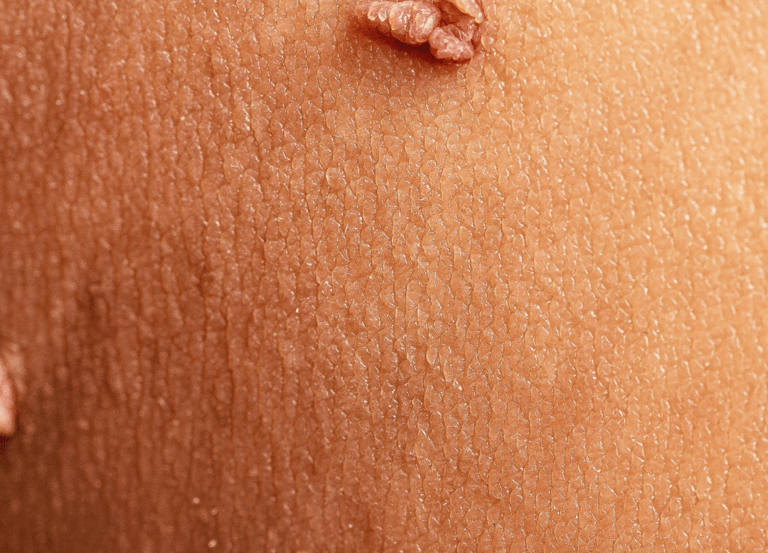
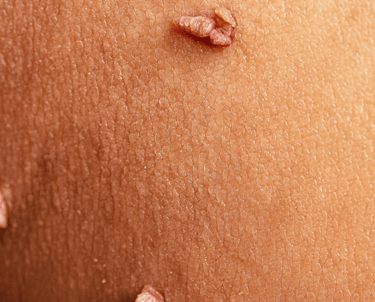
Skin tags are small, soft growths that develop on the surface of the skin. They’re usually flesh-colored or slightly darker and often appear in areas where skin rubs against skin or clothing—like the neck, underarms, eyelids, groin, or under the breasts.
They’re very common and completely benign (non-cancerous). Skin tags don’t usually cause pain or discomfort, though they can sometimes get irritated if they catch on jewelry or clothing. While they’re harmless and don’t require treatment, many people choose to have them removed for comfort or cosmetic reasons.
£80
Based on 30 minute booking and not per tag. So even if you have three the price is the same.
How it Works
Professional skin tag removal in Hertford, Hertfordshire using advanced diathermy for safe, quick healing and smooth skin results.
What is Skin Tag Removal
Skin tag removal is a professional, non-invasive treatment used to safely and effectively remove small, benign growths of skin. The procedure is quick and precise, helping to restore smoother skin while improving comfort and confidence.
What Method
At Skin Therapy Solutions, skin tags are removed using advanced diathermy, a precise technique that uses controlled heat to safely cauterise and remove the skin tag. This method is quick, effective, with no bleeding, promoting clean healing and smooth skin results. We use a topical anaesthetic which makes the procedure comfortable.
Depending on the type of tag healing after skin tag removal with diathermy is usually quick, with most areas healing within 7–14 days. A small scab may form and naturally fall away as the skin heals, leaving the area smooth with minimal disruption to daily activities. However we suggest allowing a full 4 weeks for complete skin recovery.
How Long Does Healing Take

Facial red Veins
Skin tag removal is a professional, non-invasive treatment used to safely and effectively remove small, benign growths of skin. The procedure is quick and precise, helping to restore smoother skin while improving comfort and confidence.
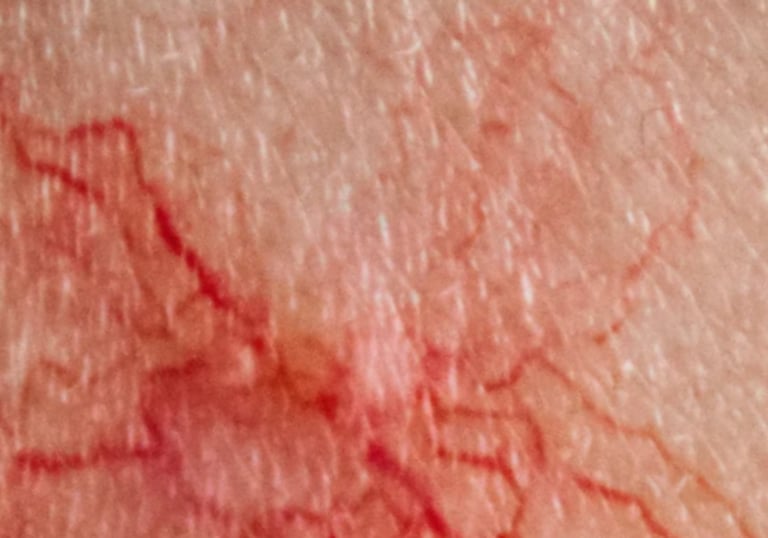
Milia
At Skin Therapy Solutions, skin tags are removed using advanced diathermy, a precise technique that uses controlled heat to safely cauterise and remove the skin tag. This method is quick, effective, with no bleeding, promoting clean healing and smooth skin results. We use a topical anaesthetic which makes the procedure comfortable.
Depending on the type of tag healing after skin tag removal with diathermy is usually quick, with most areas healing within 7–14 days. A small scab may form and naturally fall away as the skin heals, leaving the area smooth with minimal disruption to daily activities. However we suggest allowing a full 4 weeks for complete skin recovery.
Syringoma
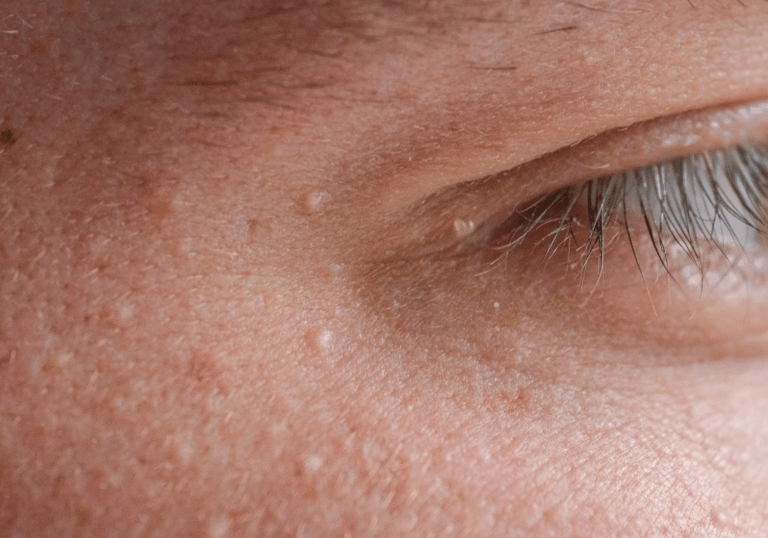
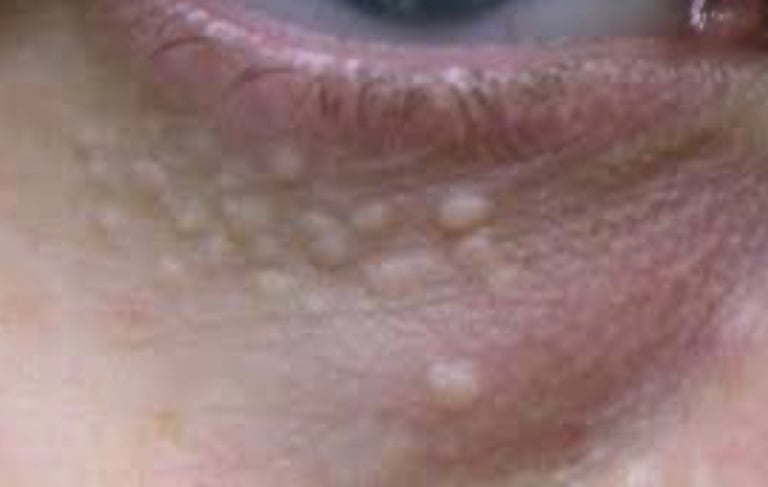
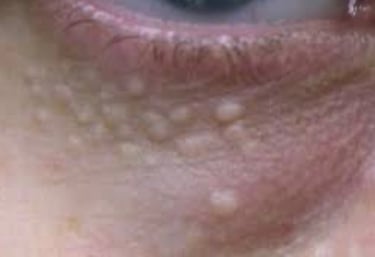
Dermatosis Papulosa Nigra
Dermatosis Papulosa Nigra is a benign skin condition that typically affects individuals with darker skin tones. These lesions usually manifest on the face and neck during adolescence and may alter in size and texture over time. An example of someone with this condition is the actor Morgan Freeman.


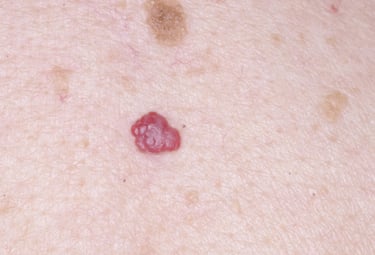
Seborrheic Keratosis and Cherry Angioma
Seborrheic Keratosis consists of non-cancerous growths that commonly develop with age. They manifest as scaly, waxy patches, varying in colour from light brown to dark brown or black. These growths are typically slightly elevated and can have either a smooth or rough texture.
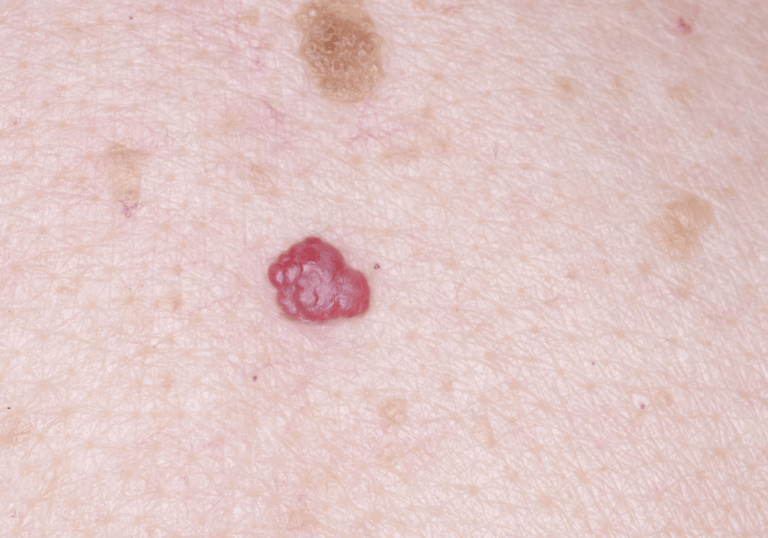
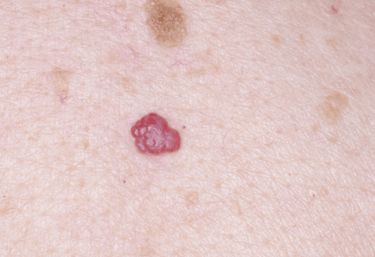
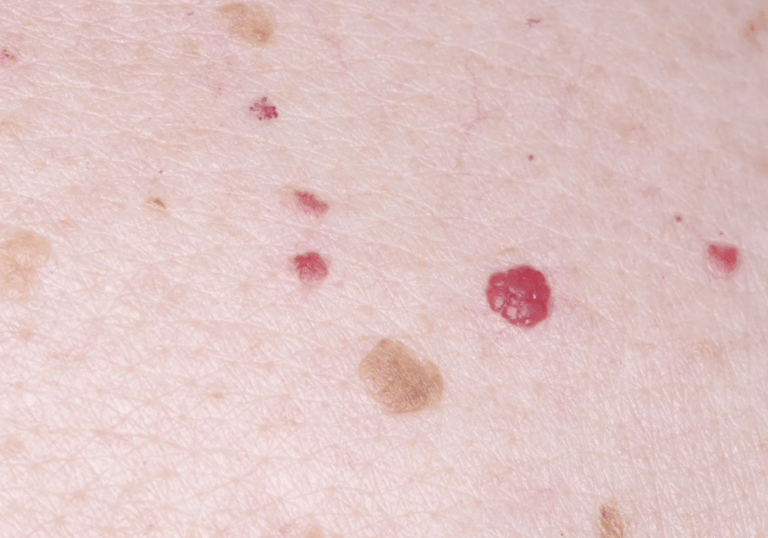
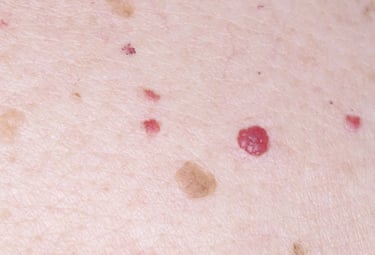
Cherry angiomas are vascular lesions on the skin that may be raised. When flat, they are commonly known as blood spots, but both types consist of a cluster of blood vessels or dilated capillaries. They can be more conspicuous than skin tags and moles because of their vivid red colour. However, they are easily treatable.
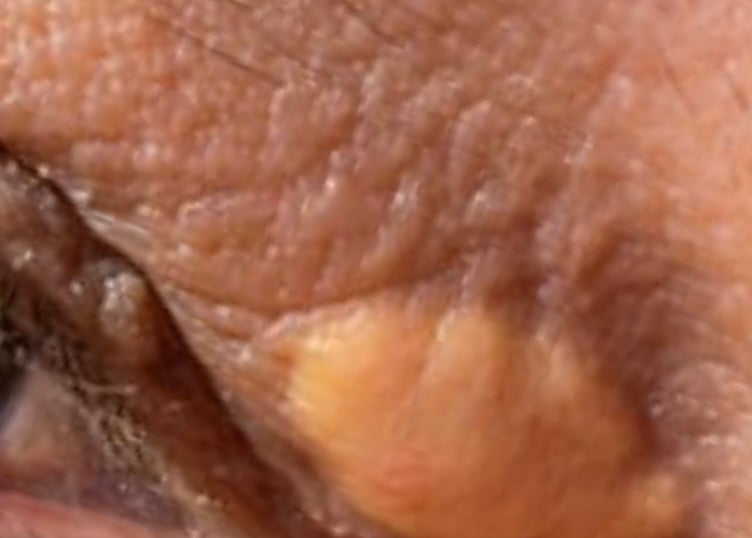
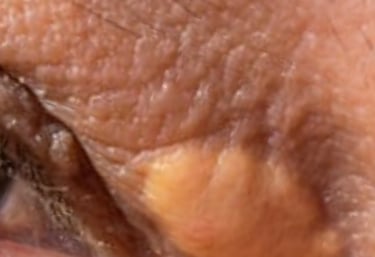
Xanthelasma typically appear on the inner canthus of the eyelid, more often on the upper lid but can also manifest on the lower inner eye area. They are yellowish and contain cholesterol, predominantly affecting middle-aged women. Xanthelasma may be present in individuals with high blood levels of fats or cholesterol, which could indicate liver disease, such as Primary Biliary Cirrhosis.
Xanthelasma
Reach out to Skin Therapy Solutions for personalised advice and treatment questions.
Contact Us
Questions? Reach out anytime, we're here.
Connect
07498 484 733
© 2025. All rights reserved.
mOBILE